
Dealing with seasonal allergies can really disrupt your daily routine, especially during those months when pollen is everywhere. While medication can help manage symptoms, I’ve noticed that what you eat has a big effect on how your body reacts during allergy season. In this article, I’m breaking down how you can use your diet to prevent or reduce those annoying allergy symptoms and feel much more comfortable, right from the inside out.
Understanding the Link Between Diet and Seasonal Allergies
Seasonal allergies, such as hay fever, are set off when your immune system overreacts to things like pollen or grass. Even though genetics and environment play large roles in who gets allergies, what’s on your plate matters, too. Some foods can lift up your immune system or calm inflammation, while others might make symptoms worse. Loads of research points out that a well-balanced, nutrient-packed diet helps your body handle allergens much better.
Looking at global trends, allergies have been going up quickly, especially where diets have switched up to depend more on processed foods and a lot less on fresh, whole choices. By focusing on natural, nutrientrich foods, you could give yourself a better shot at breezing through allergy season. Getting familiar with which foods support you and which don’t is a smart first step.
The Basics: Foods That Support Allergy Defense
What I eat in the months before allergy season always makes a difference once pollen counts begin climbing. There are some key foods and nutrients I make sure to include:
- Vitamin C: Found in oranges, bell peppers, and strawberries, this antioxidant fights off allergy-related inflammation and gives your immune system a fast boost.
- Omega3 fatty acids: You’ll get these from fish like salmon, flaxseeds, and walnuts. They help keep inflammation down, resulting in fewer sneezes and watery eyes.
- Quercetin: This plant pigment is in apples, onions, kale, and berries. People say it naturally calms your body’s allergy reactions by gently reducing histamine.
- Probiotics: Yogurt, kefir, and fermented veggies, like sauerkraut, provide probiotics that keep your gut healthy. A happy gut is linked to a betterbalanced immune system, leading to fewer overthetop allergy symptoms.
Mixing these foods into your regular meals can help your body react more calmly as allergy season ramps up.
Quick Tips for Building an AllergyReducing Diet
Sorting out what to eat isn’t too complicated, but it helps to have a plan. Here’s the game plan I stick with whenever allergy season is in sight:
- Pack in More Fruits and Veggies: Colorful produce is loaded with antioxidants to keep your immune system running well. I aim for five servings per day; berries, leafy greens, peppers, and citrus fruits are my go-tos.
- Choose Healthy Fats: Swapping out heavily processed oils for olive oil, avocado, or salmon helps with inflammation control.
- Stay Hydrated: Water can thin out mucus and keep your sinuses clear. I keep a water bottle close and drink up all day long.
- Eat Fermented Foods: Sauerkraut, kimchi, and live-culture yogurt support the good bacteria in your gut, giving your immune system a steadier baseline.
- Try Raw Local Honey (if you’re not allergic): A small teaspoon daily is an old trick people use, hoping it gently helps their bodies handle local pollen better. The evidence is mixed, so I only do this if I know I’m not sensitive to it.
- Go for Whole Grains: Oats, brown rice, and barley offer fiber, which helps your gut and keeps things moving along.
Having this structure not only supports your allergy defense but gives a boost to your overall health, too. Setting up your meals with these pieces sometimes means less need for medication when pollen is everywhere.
Common Pitfalls and Foods to Avoid During Allergy Season
It’s not just about what you add; watching out for certain triggers is just as important. Some foods can make allergies worse or cause oral allergy syndrome (OAS), which brings itchiness to your mouth or throat after eating some fresh produce. Here’s what I try to avoid when allergy season rolls around:
- Heavily Processed Foods: Chips, packaged cereals, fast food, and sodas are low in nutrients but high in added sugars and artificial colors, fueling inflammation in your body.
- Dairy (for some people): Cheese, milk, and ice cream can increase mucus for certain folks, leading to more sinus congestion.
- Alcohol: Beer, wine, and liquors can release histamines in your body, making symptoms worse.
- FoodPollen CrossReactions: If birch pollen is your problem, apples and carrots might make your mouth itchy. If ragweed is the culprit, skip bananas and melons during peak times. The American College of Allergy, Asthma, and Immunology has a chart that’s really useful if you notice certain foods cause issues.
Knowing your triggers can save you from feeling miserable consistently throughout spring and summer.
Oral Allergy Syndrome
This strange reaction happens when your body reacts to some raw fruits and vegetables because their proteins look a lot like pollen to your immune system. Usually, peeling or cooking these foods helps most people tolerate them. If you’re dealing with OAS, checking in with your doctor or allergist is wise for tailored advice.
Adding Supplements (Smartly)
Many folks I know swear by certain supplements—like vitamin C, fish oil, or probiotics—especially if their meals don’t quite cover all the bases. While supplements can help fill gaps, I always aim for nutrients from real food first. And if you take medications, ask your doctor or pharmacist before starting anything new to avoid side effects and interactions.
Foods to Focus on for Everyday Allergy Prevention
During allergy season, my meals often shift a little. Here are foods I put in the spotlight:
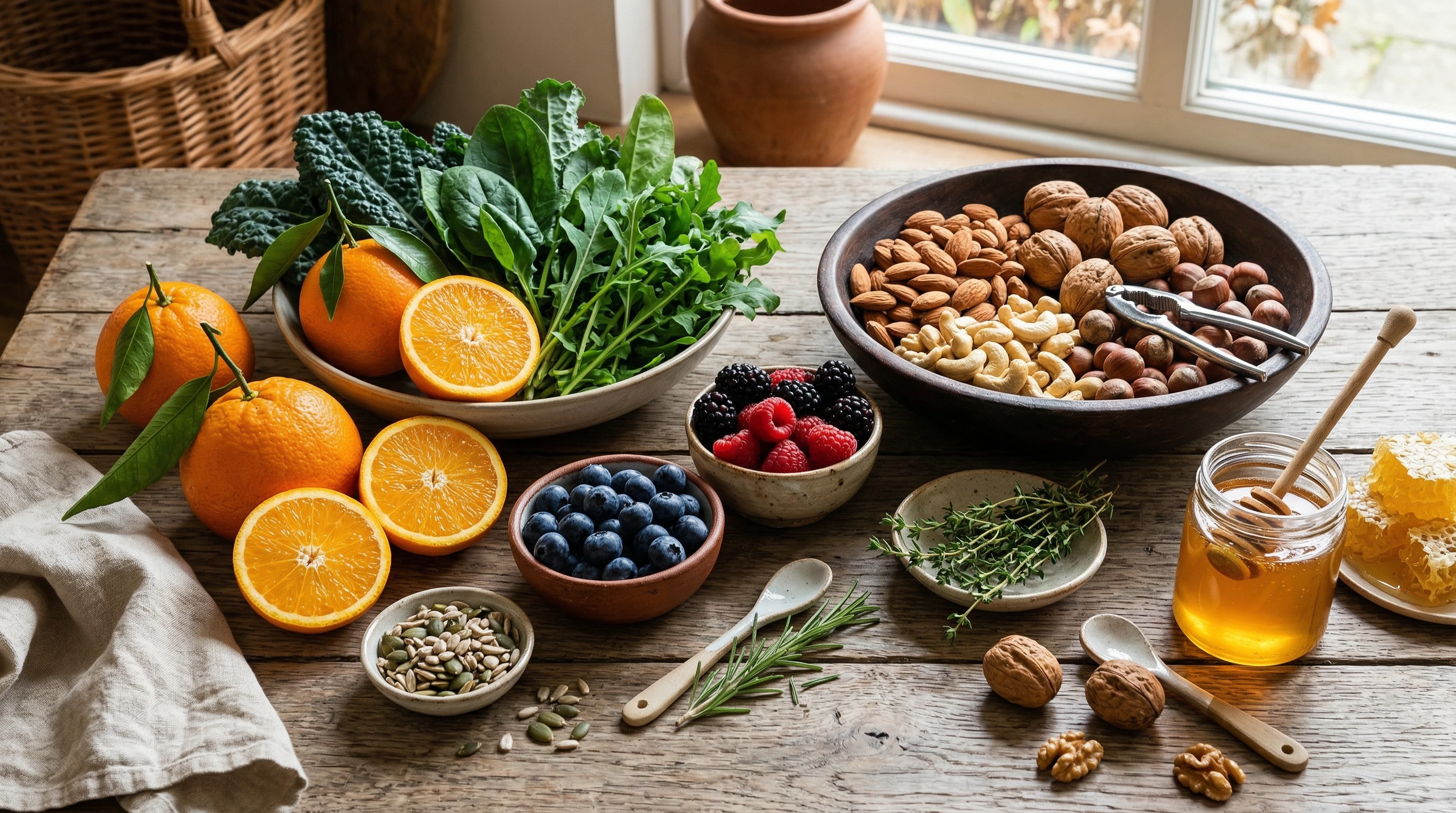
- Berries: Blackberries, blueberries, and strawberries deliver vitamin C and flavonoids.
- Leafy Greens: Spinach, kale, and romaine all bring important nutrients like folate and vitamin K.
- Citrus Fruits: Oranges, lemons, and grapefruits add vitamin C power.
- Fatty Fish: Salmon, sardines, and mackerel pack plenty of antiinflammatory omega3s.
- Apples and Onions: Both are strong sources of quercetin, which fights allergic responses.
- Nuts and Seeds: Walnuts, flaxseeds, and chia seeds bring healthy fats and fiber into your routine.
After sticking to these foods for several days, I typically notice it’s easier to manage those tough, high pollen days.
Frequently Asked Questions
Here are some of the most popular questions people ask when looking to handle allergies with the food on their plates:
Question: Can diet alone prevent all allergy symptoms?
Answer: While a healthy diet is a big help, it’s not a total cure. I still keep a box of tissues nearby, but I notice milder symptoms and less trouble if I eat smart.
Question: How long does it take for diet changes to help seasonal allergies?
Answer: I usually see a difference within a few weeks. Every person reacts differently though, so being patient is worth it.
Question: Do certain foods act as natural antihistamines?
Answer: Some foods—like onions, apples, and berries—contain compounds that act like gentle antihistamines. They don’t offer fast relief like a pill but provide subtle support over time.
Final Thoughts
When I pay attention to what goes onto my plate, allergy season becomes much easier to face. Making food part of your allergy prevention strategy is about more than just managing symptoms; it also helps your whole body feel better year round. Filling your table with natural, color packed, and fiber rich foods really can be a game changer, and your taste buds benefit, too. Be sure to talk to a healthcare provider if you’re planning on big changes or have food allergies. Eating smart is one more way to keep the sneezes at bay and make the most of every season.