
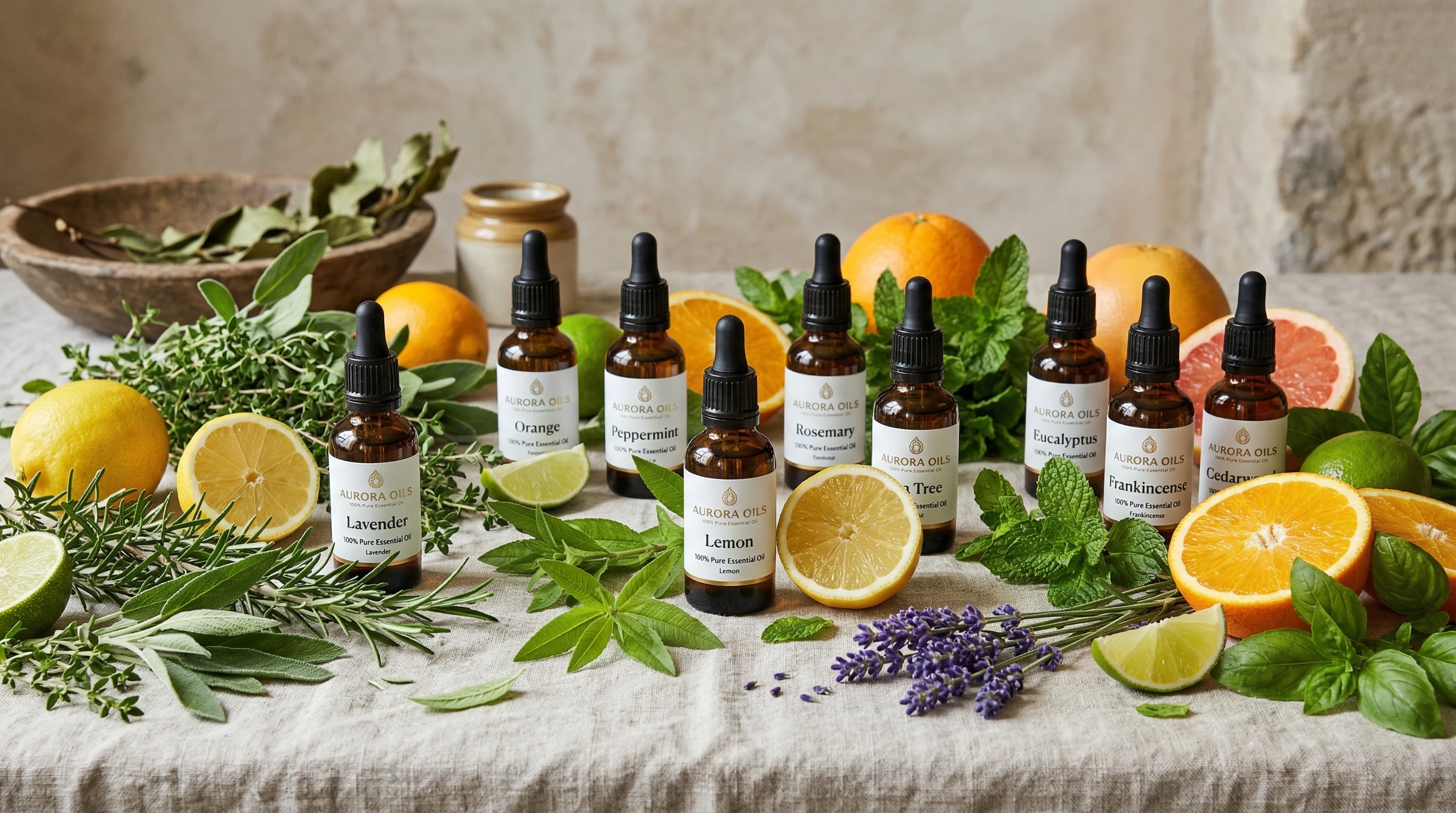
Aromatherapy and essential oils have become really popular among people looking for natural ways to support wellness and manage stress. If you’re curious about these fragrant little bottles, getting started can feel confusing with all the choices out there. Here’s a straightforward guide for beginners on the top 10 essential oils, with practical tips and clear explanations to help you feel at ease as you get started with aromatherapy.
Why Essential Oils Are Worth Trying
Essential oils are plant extracts that capture the plant’s scent, flavor, or “essence.” People have used them for ages in wellness routines, relaxation practices, cleaning, and even DIY selfcare recipes. Whether you want to try natural relaxation methods, occasionally boost your mood, or make your own home care products, essential oils offer simple ways to start.
Most essential oils are used in aromatherapy, which is all about using scents for well-being. Some people also dilute essential oils for use on the skin, and it’s super important to do this safely by mixing them with a carrier oil like almond or coconut oil. It’s always smart to patch test a new oil before using it on larger skin areas, and to make sure it’s suitable for your skin type.
Getting Started: What Should Beginners Know?
If you’re just starting out with essential oils, learning some basics will help before you start diffusing or blending. Here’s a quick cheat sheet for anyone just getting started:
- Diffuser: These little devices let you safely add oils to the air, creating pleasant scents and moods around your space.
- Carrier Oil: A neutral oil (like coconut, jojoba, or grapeseed) used to dilute essential oils before applying them to your skin.
- Purity: Not all essential oils are the same. Look for oils that are 100% pure, without synthetic additives.
- Blending: Mixing a few oils together can be fun and helpful, but make sure to research or follow reliable recipes to avoid negative effects.
Be sure to check safety information for each oil, as a few aren’t safe for pets, pregnant people, or children. Reputable brands are transparent about ingredients and safe usage suggestions. Careful research helps you make informed decisions and avoid any issues.
Top 10 Essential Oils for Beginners (and Why They’re Awesome)
Here are ten popular essential oils that are really helpful for beginners. These are super versatile and easy to find from trusted suppliers.
- Lavender; Calming and Relaxing
Lavender is the allstar of essential oils for a reason. Its floral, soft scent is famous for helping people relax, fall asleep, and wind down. I use it in my diffuser before bed or add a drop to my pillowcase. You can even mix it with a carrier oil for a soothing massage. - Peppermint; Uplifting and Invigorating
Peppermint has a strong, fresh scent that’s great for perking up your mood and helping you focus. I love adding a drop to a bowl of hot water for a homemade steam inhalation or using it diluted on sore muscles. Never use it close to the eyes, though; it’s really strong! - Lemon; Fresh and Cleansing
The bright, clean scent of lemon oil helps refresh any space. Many people use it for DIY cleaners by adding a few drops to a spray bottle filled with water. It mixes nicely with other citrus or vanilla scents for a sunny vibe. Lemon oil is also great for homemade kitchen fresheners. - Eucalyptus; Respiratory Support
Eucalyptus is known for its crisp, minty aroma that makes you feel like you can breathe more deeply. Adding it to a diffuser or mixing it with a carrier oil for chest rubs (in safe amounts) can help during stuffy days. Avoid using eucalyptus directly on young kids or pets. - Tea Tree; Purifying and Clarifying
Known for its clean, medicinal scent, tea tree oil is popular for cleaning solutions and skin-supporting blends (with proper dilution). I use a drop in my homemade cleaning spray, and some people add it to shampoos or deodorants. It’s a little sharp and very concentrated, so a little goes a long way. - Sweet Orange; Cheerful and Bright
Sweet orange oil gives off an uplifting, fruity scent that can help boost your mood. I like it in my morning diffuser blend or mixed with spices like cinnamon during cooler months. It’s a great choice for homemade air fresheners and mixes well with clove, cinnamon, or vanilla. - Frankincense; Grounding and Centering
Frankincense has a warm, woodsy scent and is commonly used during meditation, yoga, or even for skin care. It mixes nicely with citrus and floral oils. Some people say frankincense helps promote a calm, balanced feeling during mindful practices. - Rosemary; Energizing and Focusing
This herbal essential oil is known for helping with concentration. I love diffusing it while working or studying. Some people find diluted rosemary oil feels soothing for scalp or hair care, but always check for sensitivity first. Rosemary is also said to help stimulate creativity when blended with lemon or basil oil. - Chamomile (Roman or German); Gentle and Soothing
Chamomile’s soft, apple-like scent is really soothing, making it popular for bedtime blends or relaxation routines. It’s a gentle oil that works in children’s blends (with proper dilution and guidance). Some even add it to cooling compresses for extra comfort during stressful times. - Geranium; Floral and Balancing
Geranium has a rosy, sweet scent and is sometimes used in skin care blends, baths, or for freshening up a room. I like adding it to bath salts or diffusing it for a cozy, floral burst. It’s also a favorite for balancing indoor spaces or brightening up homemade beauty products.
Smart Tips for Using Essential Oils (and Common Challenges)
Essential oils are pretty straightforward once you get the hang of it, but here are some practical tips and things to watch for when you’re learning:
- Start Small: You really only need a drop or two. Using more won’t make the effects stronger; in fact, overdoing it can sometimes irritate your skin or overwhelm your senses.
- Always Dilute for Skin Use: Applying undiluted (“neat”) essential oils can cause irritation or allergic reactions. Mix with a carrier oil before using on your skin, and patch-test first.
- Store Properly: Keep oils in dark glass bottles away from heat and sunlight to keep them fresh longer. This helps maintain their effectiveness, even after multiple uses.
- Research Each Oil: Some oils aren’t safe for pets, pregnant people, or kids. Always check safety guidelines, since what’s safe for one person isn’t always safe for everyone.
- Clean Your Diffuser: Oils can build up in diffusers over time. Give yours a quick rinse with soapy water between uses for best results and to prevent any leftover scents from mixing strangely.
Common hurdles include allergic reactions, overuse, or simply having trouble picking the best oils for your needs. If you experience headaches, sneezing, or rashes, take a break and try a patch test on a small area next time. Also, avoid using essential oils directly on pets or young children unless you’ve checked specific safety info. Since some people are more sensitive to scents, it’s a good idea to open a window when trying an oil for the first time. If you notice anything odd, take a step back and give yourself time to adjust.
Handling Essential Oil Allergies or Sensitivities
If you or someone in your home shows signs of an allergy (redness, sneezing, watery eyes), stop using the oil right away. Air out the area and rinse your skin with mild soap and water if it was applied. Give it some time and, if you want to try again, pick a milder oil or dilute more than before.
How Beginners Use Essential Oils in Everyday Life
It’s not all about fancy diffusers or complicated blends. Essential oils fit easily into daily routines. Here are a few quick ideas that you can try out every day:
- Add a drop of lavender oil to your bedtime pillow for relaxing sleep.
- Mix lemon or orange oil with water and vinegar for a fresh smelling DIY cleaner.
- Add a couple of drops of peppermint or rosemary oil to your shower for a spa like steam experience.
- Create an at home “spa” by adding one or two drops of your favorite oil to an unscented bath salt blend.
As you check out different oils, you’ll see what works best for your home and lifestyle. Always start with small amounts, take it slow, and enjoy the process. With time, you’ll build confidence in blending and choosing the right scents for every occasion.
Frequently Asked Questions
Here’s what most beginners ask about when they first try essential oils:
Question: Can I use essential oils directly on my skin?
Answer: Never use essential oils directly (undiluted) on the skin. Always mix with a carrier oil, and do a patch test first to check for reactions.
Question: Are essential oils safe to use around pets?
Answer: Some essential oils are dangerous for pets. Check veterinary guidelines and keep diffusers out of reach of cats and dogs. Never use oils directly on pets unless a vet says it’s ok.
Question: How do I know if an oil is pure?
Answer: Reputable brands will list the plant name (like “lavandula angustifolia” for true lavender), note if they’re 100% pure, and avoid filler ingredients and synthetic scents.
Question: Do essential oils really help with stress?
Answer: Many people find aromatherapy relaxing, but results can be different for everyone. Start with calming oils like lavender or chamomile and see how you feel over time.
Starting Your Aromatherapy Adventure
Building a simple collection of ten basic oils can take you pretty far, giving you plenty of options without feeling overwhelmed. Starting with versatile, beginner friendly choices and some basic safety know how keeps things relaxed and effective. Whether you want to lift your mood, sleep better, or simply enjoy pleasant scents, the world of essential oils offers lots of ways to experiment and enjoy at your own pace. Remember, there’s no rush; have fun, and let your senses guide you as you step into the world of aromatherapy!
- The best essential oils for sleep, stress, and anxiety
- Top diffuser blends (great smelling combos)
- The most trusted essential oil brands in 2026.